
So, you’ve got a lovely old home in Cornwall, maybe even a listed one, and you’re thinking about a new gate. Sounds simple, right? Well, not always. When it comes to heritage properties, especially here in Cornwall, putting in a new gate isn’t just about picking something pretty. There are rules, history, and a whole lot of things to think about to make sure your new gate fits in and doesn’t cause any headaches with the local council. We’re going to talk all about getting the right heritage gate designs Cornwall, making sure your home looks great and stays on the right side of the law.
Key Takeaways
- Always check if your property is listed or in a conservation area before planning any gate changes.
- Getting the right planning permission is a must; don’t skip this step.
- Do your homework on the historical look of your property and the area.
- Pick materials and styles that match the old-world charm of your home.
- Working with people who know about heritage buildings makes the whole process a lot easier.
Understanding Heritage Gate Designs Cornwall
Defining Heritage Buildings in Cornwall
So, what exactly is a heritage building in Cornwall? It’s more than just an old building. We’re talking about structures recognised for their historical, architectural, or cultural importance. These buildings tell stories about Cornwall’s past, from grand estates to humble cottages. They’re often protected to preserve their unique character for future generations. Think about it – the materials used, the construction techniques, even the location all contribute to its heritage status. It’s not just about age; it’s about significance.
The Significance of Architectural Heritage
Why bother preserving these old gates and buildings? Well, they’re a tangible link to our past. They provide a sense of place and identity. Plus, they can be beautiful! Preserving architectural heritage isn’t just about nostalgia; it’s about understanding where we came from and maintaining the unique character of Cornwall. It’s about ensuring that future generations can appreciate the craftsmanship and design of previous eras. Consider the impact of electric gate regulations on maintaining this heritage.
Conservation Areas and Their Impact
Conservation areas are designated areas with special architectural or historical interest. Within these areas, planning regulations are stricter to ensure any changes preserve the area’s character. This means that if you’re planning any work on a gate in a conservation area, you’ll need to be extra careful to comply with the rules. It’s all about maintaining the look and feel of the neighbourhood. Think carefully about restoration gate designs UK and how they fit into the area. It might seem like a hassle, but it’s essential for protecting Cornwall’s unique heritage.
Living in a conservation area means you have a responsibility to protect the area’s character. This includes everything from the materials you use to the design of your gate. It’s not about preventing progress; it’s about ensuring that any changes are sympathetic to the existing environment.
Here’s a quick rundown of things to consider:
- Material choices
- Design styles
- Impact on the streetscape
Navigating Planning Regulations for Heritage Gate Designs Cornwall
Planning Permission in Conservation Areas
Living in a conservation area in Cornwall? Then listen up! Getting planning permission can be a bit of a minefield. It’s not always straightforward, especially when you’re thinking about new gates for your property. These areas have special rules to protect their look and feel. You’ll likely need to get permission before you even think about starting work. The local council will look closely at your plans to make sure they fit in with the area’s character. It’s worth checking with them early on to avoid any nasty surprises.
Listed Building Consent Requirements
If your property is a listed building, things get even more complex. You’ll need listed building consent for any work that affects the character of the building. This includes things like replacing gates. The rules are there to protect buildings of special architectural or historic interest. It’s not just about the look of the gates, but also the materials used and how they’re installed.
Getting consent can take time, so it’s best to start the process well in advance. You’ll need to provide detailed plans and information about the proposed work. The council will then assess the impact on the building’s heritage value.
Consequences of Non-Compliance
Ignoring planning regulations can land you in hot water. If you carry out work without the necessary permission, you could be forced to put things back as they were. This can be costly and stressful. Plus, it could even lead to prosecution. It’s really not worth the risk. Always check with the local planning authority before starting any work on your electric gates.
Here’s a quick rundown of potential issues:
- Enforcement notices from the council
- Fines and legal action
- Difficulty selling your property in the future
- Damage to the historic character of the area
Key Considerations for Heritage Gate Designs Cornwall
Researching Historical Context and Styles
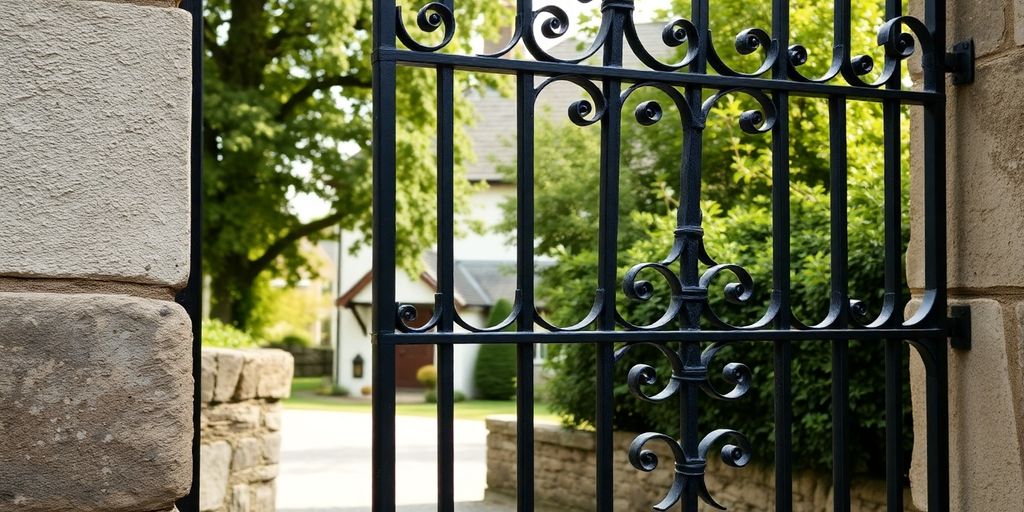
When thinking about new gates for a heritage property, it’s really important to do your homework. You can’t just pick any old design; it needs to fit with the building’s history and style. This means looking into the architectural period of your property and finding out what kind of gates were common back then. Check out old photos, local archives, and even talk to heritage experts. This research will help you make sure your new gate doesn’t look out of place.
Selecting Appropriate Materials and Finishes
The materials you choose for your gate are just as important as the design. You want something that looks authentic but is also durable enough to withstand the Cornish weather. Traditional materials like wrought iron and timber are often good choices, but you need to think about the finish too. For example, a glossy, modern paint job might not be suitable for a historic gate. Instead, consider using natural paints for heritage buildings that match the original colours and textures.
Integrating Modern Security Features
It’s all well and good having a gate that looks the part, but it also needs to do its job of keeping your property secure. The trick is to integrate modern security features without compromising the gate’s historical appearance. Here are a few ideas:
- Concealed hinges and locks
- Subtle lighting
- Reinforced frames
It’s a balancing act. You want to protect your home, but you don’t want your gate to look like it belongs on a military base. Think carefully about how you can blend security with aesthetics.
Choosing the right gate for a heritage property is a big decision. It’s not just about picking something that looks nice; it’s about respecting the building’s history and character. By doing your research, choosing the right materials, and thinking carefully about security, you can create a gate that enhances your property for years to come.
Choosing Gate Styles for Heritage Properties in Cornwall
Traditional Gate Designs and Their Authenticity
When it comes to heritage properties, selecting the right gate style is really important. It’s not just about security; it’s about respecting the building’s history and character. Opting for traditional gate styles for historic homes can really enhance the property’s appeal, but it’s important to get the details right. Think about the period of the building, the materials that would have been used originally, and the overall aesthetic you’re trying to achieve. A simple, wrought iron gate might be perfect for a Victorian property, while a wooden gate could be more appropriate for a cottage.
Bespoke Solutions for Unique Properties
Sometimes, off-the-shelf solutions just won’t cut it. If you have a particularly unique or unusual property, you might need to consider a bespoke gate design. This allows you to create something that perfectly complements the building’s architecture and meets your specific needs.
- Consider the existing architectural details of your property.
- Think about the level of security you require.
- Work with a skilled craftsman who understands heritage building techniques.
A bespoke design can be more expensive, but it’s often worth the investment if you want to achieve a truly authentic and sympathetic result. It’s also a great way to incorporate modern security features without compromising the gate’s historical appearance.
Balancing Aesthetics with Functionality
It’s all well and good having a gate that looks the part, but it also needs to be practical. Think about how you’ll use the gate on a daily basis. Will it be for pedestrian access only, or will vehicles need to pass through? Do you need it to be automated? These are all important considerations that will influence the design. You might want to consider domestic gates in Plymouth that offer both security and aesthetic appeal. Ultimately, the best gate is one that combines beauty, functionality, and respect for the property’s heritage.
Working with Professionals for Heritage Gate Designs Cornwall

The Role of Heritage Consultants
When dealing with heritage properties, it’s easy to feel lost in a maze of regulations and historical considerations. That’s where heritage consultants come in. They are the experts who can guide you through the process, ensuring your gate design respects the property’s historical significance while meeting modern needs. They can assess the site, research its history, and advise on appropriate designs and materials. They also act as a liaison between you and the local planning authorities, helping to smooth the planning permission process. It’s a good idea to get them involved early in the project.
Engaging Experienced Gate Manufacturers
Finding the right gate manufacturer is just as important as having a good design. You need a company with experience in working with heritage properties and an understanding of traditional techniques. Look for manufacturers who can demonstrate a portfolio of similar projects and who are willing to work with you to create a bespoke solution. They should be able to advise on materials, construction methods, and finishes that are appropriate for your property. Don’t be afraid to ask for references and to visit their workshop to see their work firsthand.
Collaborating with Local Planning Authorities
Working with local planning authorities is a critical part of any heritage gate project. They are the ones who will ultimately decide whether your design is acceptable, so it’s important to get them on board early. This means understanding their requirements, being prepared to compromise, and being willing to provide detailed information about your design. A heritage consultant can be invaluable in this process, as they will have experience in dealing with the local authorities and can help you to navigate the planning system. Remember, open communication and a willingness to work together are key to a successful outcome.
Approaching the local planning authorities with a well-researched proposal, backed by expert advice, significantly increases the chances of a smooth and positive outcome. It shows that you’re serious about preserving the heritage of your property and are committed to working within the regulations.
Maintaining and Preserving Heritage Gates in Cornwall
Regular Maintenance for Longevity
Keeping your period appropriate gates Cornwall in good shape is super important if you want them to last. It’s not just about making them look nice; it’s about preventing serious problems down the line. Think of it like this: a little bit of care now can save you a whole lot of hassle (and money) later on. Regular checks can spot issues early, before they turn into major headaches.
Here’s a simple maintenance schedule you could follow:
- Monthly: Give the gate a quick visual inspection. Look for any signs of rust, damage, or loose parts.
- Quarterly: Clean the gate with a soft brush and soapy water. This helps remove dirt and grime that can cause corrosion.
- Annually: Apply a fresh coat of paint or sealant to protect the gate from the elements. Also, lubricate any moving parts to keep them working smoothly.
Repairing and Restoring Historic Gates
Sometimes, despite our best efforts, historic gates need a bit more than just regular maintenance. Repairing and restoring them can be tricky, especially when you’re dealing with older materials and techniques. The key is to use methods and materials that are sympathetic to the original design. This might mean sourcing reclaimed timber or using traditional blacksmithing techniques.
It’s always a good idea to consult with a heritage specialist before undertaking any major repairs. They can offer advice on the best approach and help you ensure that the work is carried out to a high standard.
Sustainable Practises for Heritage Preservation
Preserving heritage isn’t just about keeping old things looking nice; it’s also about doing it in a way that’s good for the environment. Using sustainable practises is becoming increasingly important, especially when it comes to conservation area gate regulations. This could involve:
- Using reclaimed or recycled materials whenever possible.
- Choosing eco-friendly paints and sealants.
- Working with local craftspeople who use traditional, sustainable techniques.
- Minimising waste during repairs and restoration.
By adopting these practises, we can ensure that our heritage gates continue to be enjoyed for generations to come, without harming the planet.
Keeping Cornwall’s old gates in good shape is super important. These gates are a big part of our local history and look. If you want to learn more about how we keep these special gates looking great and working well, or if you need help with your own gates, check out our website. We’re experts in keeping all sorts of gates in top condition.
Conclusion
So, when it comes to gates for your listed home in Cornwall, it’s a bit of a balancing act. You want something that looks good and does its job, but you also need to respect the history of the place. It’s not always easy, but getting it right means your home keeps its special character for years to come. Just remember to do your homework and talk to the right people, and you’ll be fine.
A real estate broker in Cornwall knows how crucial it is to balance charm and compliance when dealing with heritage homes. Listed-building friendly gate designs allow homeowners to protect their property while respecting historical guidelines. These gates blend traditional craftsmanship with discreet modern features, ensuring security without compromising authenticity—a key factor in preserving both the home’s value and its character.
Frequently Asked Questions
What exactly is a listed building?
A listed building is a special kind of property in the UK that is important because of its history or how it was built. These buildings are protected by law to make sure they stay special for future generations. There are three grades: Grade I (super important), Grade II* (very important), and Grade II (important).
What’s a conservation area?
A conservation area is a place that has a special look or history. The local council makes rules for these areas to make sure any new changes, like building new gates, fit in with the old style and don’t spoil the area’s charm.
Do I need special permission to change my gate if my home is listed or in a conservation area?
Yes, usually. If your house is listed or in a conservation area, you’ll probably need to ask the local council for permission before you can change your gate. This is to make sure the new gate matches the old style of your home and the area.
What happens if I change my gate without permission?
If you change your gate without getting permission first, you could face big problems. The council might make you change it back, or you could even get a fine. It’s always best to check with them first to avoid any trouble.
What kind of gate designs are best for old homes in Cornwall?
When picking a new gate, think about what the old gates in your area looked like. Try to choose materials like wood or iron that were used a long time ago. You can also add modern security features, but make sure they don’t stick out too much.
Who can help me with my heritage gate project?
It’s a good idea to work with people who know a lot about old buildings, like heritage experts or gate makers who have worked on similar projects. They can help you pick the right design and make sure you follow all the rules.