
If you own a period property in Cornwall, you know how special it is. These old homes have a lot of character and history. But when it comes to making changes, like adding a new gate, things can get a bit tricky. You want something that looks good and works well, but you also have to respect the building’s past. This article will walk you through how to pick or design new heritage gate designs Cornwall that fit right in, without causing any problems with local rules. It’s all about finding that sweet spot between old charm and modern needs.
Key Takeaways
- Understanding your property’s listed status and what that means for changes is really important.
- Working with local planning officers and experts can make the whole process much smoother.
- New gates should match the old style and materials of your Cornish home.
- Think about using traditional materials like wood or wrought iron for an authentic look.
- Even with old buildings, you can still add modern features, like automatic openers, if done carefully.
Understanding Listed Building Status in Cornwall
Defining Heritage Buildings in the UK
So, what exactly is a heritage building? Well, in the UK, it’s a building deemed to have significant historical or architectural value. This means it’s protected by law. These buildings aren’t just old; they represent important parts of our past and contribute to the unique character of our towns and villages. Think grand manor houses, quaint cottages, even industrial structures – they can all be listed. It’s about preserving these places for future generations to appreciate. Understanding this is the first step before considering any heritage gate designs.
Grades of Listed Buildings Explained
Not all listed buildings are created equal. There are different grades, each reflecting the building’s relative importance:
- Grade I: These are buildings of exceptional interest, often considered to be of national importance. Only a small percentage of listed buildings fall into this category.
- Grade II:* These are particularly important buildings of more than special interest. They’re a step below Grade I but still hold significant historical or architectural value.
- Grade II: This is the most common grade, encompassing buildings of special interest that warrant preservation. Most listed buildings you’ll encounter will be Grade II.
It’s important to know the grade of your listed building because it affects the level of scrutiny any proposed changes will face. Grade I listed buildings, for example, will have stricter regulations than Grade II listed ones.
The Role of Conservation Areas in Cornwall
Beyond individual listed buildings, Cornwall also has designated conservation areas. These are areas recognised for their special architectural or historic interest, where the local planning authority has a duty to ensure that any development preserves or enhances the area’s character. Even if your property isn’t individually listed, if it’s within a conservation area, you’ll need to be mindful of the area’s overall aesthetic. This means considering how any new gate design will comply with local regulations and the visual harmony of the surroundings.
Navigating Planning Regulations for Heritage Gate Designs Cornwall
It’s a bit of a minefield, isn’t it? Getting anything done with heritage buildings. Especially when you start thinking about gates. You can’t just slap up any old thing; there are rules, and they’re there for a reason. Let’s break down what you need to know about planning regulations in Cornwall when it comes to heritage gate designs.
Engaging with Conservation Officers
First things first, talk to the people who know. Conservation officers at the local council are your best friends (or at least, your most important contacts) in this process. They can give you the lowdown on what’s acceptable and what isn’t before you even start drawing up plans. It’s way better to get their input early than to have your application rejected later. They understand the nuances of conservation area gate regulations and can guide you towards a design that respects the building’s character.
The Importance of Expert Guidance
Don’t go it alone. Seriously. Find someone who knows their stuff when it comes to heritage buildings. An architect or a specialist in traditional gates for listed buildings can be worth their weight in gold. They’ll understand the regulations, the materials, and the design principles that will make your project a success. Plus, they’ll be able to handle the paperwork and the application process, which can be a real headache.
Balancing Preservation and Progress
It’s all about finding that sweet spot. You want a gate that looks good, does the job, and doesn’t ruin the historical integrity of the property. It’s a balancing act. Think about:
- The materials: Are they in keeping with the existing building?
- The design: Does it complement the architecture?
- The impact: Will it affect the surrounding area?
Getting planning permission isn’t just about ticking boxes; it’s about respecting the past while making the building work for the present. It’s about finding solutions that are both practical and beautiful, and that will stand the test of time.
Ultimately, it’s about showing that you’ve thought carefully about the impact of your project and that you’re committed to preserving Cornwall’s heritage.
Sympathetic Gate Design Principles for Cornish Homes
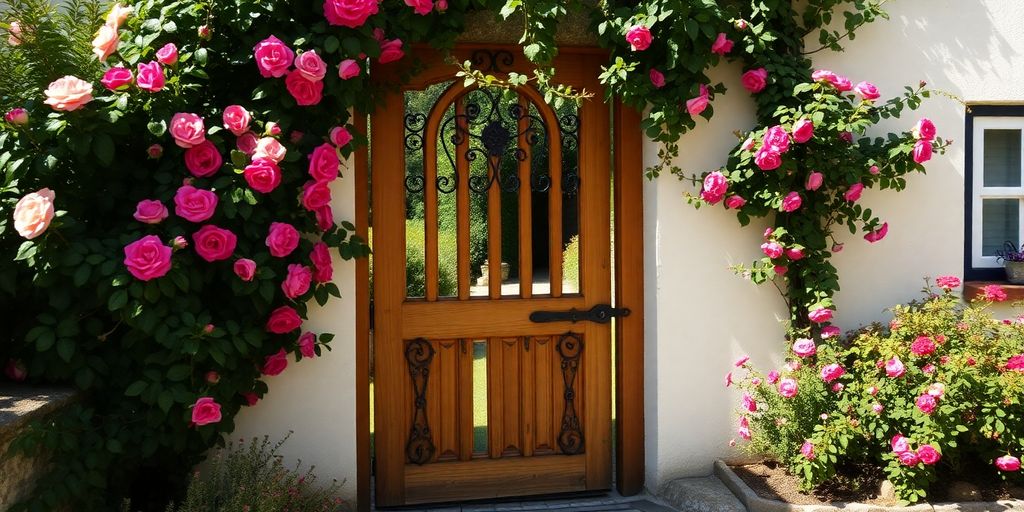
When it comes to adding or updating gates on heritage properties in Cornwall, it’s not just about security or kerb appeal. It’s about respecting the history and character of the building and its surroundings. Getting this right means carefully considering several key principles.
Respecting Historical Context and Character
First and foremost, any new gate design should complement the existing historical context. This means researching the architectural style of the property and the surrounding area. What materials were traditionally used? What are the common design motifs? For example, a sleek, modern gate would look completely out of place on a traditional Cornish stone cottage. Think about the age of the property and try to find gate designs that would have been appropriate for that period. It’s about creating a sense of continuity and ensuring the gate doesn’t jar with the overall aesthetic.
Integrating Traditional Materials
Using traditional materials is key to achieving a sympathetic design. For Cornwall, this often means:
- Timber: Locally sourced oak or chestnut can provide a natural, rustic look.
- Wrought Iron: Classic wrought ironwork can add elegance and security.
- Stone: Incorporating Cornish stone elements can tie the gate into the landscape.
Choosing the right material is about more than just aesthetics; it’s also about durability and suitability for the Cornish climate. Consider how the materials will weather over time and choose options that will age gracefully.
Harmonising New Designs with Existing Architecture
It’s not always about replicating old designs exactly. Sometimes, a contemporary twist can work well, but it needs to be done carefully. The key is to find a balance between old and new, ensuring the new gate design harmonises with the existing architecture. This might involve:
- Using traditional materials in a modern way.
- Adopting a simple, understated design that doesn’t compete with the building’s features.
- Paying attention to scale and proportion to ensure the gate feels in keeping with its surroundings.
It’s important to remember that the goal is to enhance the property, not detract from it. A well-designed gate should look like it belongs, as if it has always been there. Consider the impact of your design on the overall streetscape and aim to create something that adds to the character of the area. Think about how electric gate regulations might affect your design choices.
Ultimately, sympathetic gate design is about thoughtful consideration and attention to detail. By respecting the historical context, using traditional materials, and harmonising new designs with existing architecture, you can create a gate that not only looks beautiful but also protects and enhances your heritage home.
Material Selection for Authentic Heritage Gate Designs Cornwall
When it comes to heritage gate designs in Cornwall, the choice of materials is super important. It’s not just about what looks good; it’s about respecting the history and character of the building. Getting the materials right can make or break the whole project, so it’s worth taking the time to consider all the options.
Traditional Timber Choices for Gates
Timber is a classic choice for gates, and there are several types that are particularly well-suited to heritage properties. Oak is a popular option because it’s strong, durable, and has a beautiful grain.
- Oak: Known for its strength and longevity, often used in traditional Cornish buildings.
- Accoya: A modified timber that offers enhanced durability and resistance to rot, ideal for exposed locations.
- Softwoods (like Pine or Cedar): Can be suitable if properly treated and maintained, offering a more cost-effective solution.
Choosing the right timber involves considering the gate’s exposure to the elements, the desired aesthetic, and the overall budget. Proper treatment and regular maintenance are essential to ensure the longevity of any timber gate.
Wrought Ironwork and Period Styles
Wrought iron is another material that’s often associated with heritage properties. It can be used to create intricate designs and add a touch of elegance to a gate. When working with wrought iron, it’s important to consider the period style of the property and choose a design that’s in keeping with its character. You might want to consider security fencing services to complement your gate.
- Victorian: Characterised by ornate details and decorative scrolls.
- Edwardian: Simpler designs with clean lines and geometric patterns.
- Arts and Crafts: Emphasises handcrafted elements and natural forms.
Locally Sourced Cornish Stone Elements
For gateposts and other structural elements, locally sourced Cornish stone can be a great choice. It helps to blend the gate with the surrounding landscape and adds a sense of authenticity. Using stone that’s been quarried nearby can also reduce the environmental impact of the project. Cornish granite is particularly durable and weather-resistant.
Here’s a simple table showing the pros and cons of each material:
| Material | Pros | Cons |
|---|---|---|
| Oak | Strong, durable, beautiful grain | Can be expensive, requires regular treatment |
| Wrought Iron | Elegant, intricate designs, long-lasting | Can rust if not properly maintained, may require specialist skills to work with |
| Cornish Stone | Authentic, blends with landscape, durable | Can be difficult to source, may require specialist skills to work with |
Modern Innovations in Heritage Gate Designs Cornwall
It’s easy to think that historic gate styles Cornwall are stuck in the past, but there’s actually a lot of cool innovation happening. We’re seeing some really clever ways to blend the old with the new, making gates that are both beautiful and practical for modern life.
Subtle Integration of Automation
No one wants a clunky, modern gate ruining the look of their Cornwall period property gates. The trick is to hide the tech. Think about it: underground motors, discreet sensors, and control panels that blend into the surroundings. The goal is smooth, quiet operation without sacrificing the gate’s historical charm.
Contemporary Approaches to Traditional Forms
It’s not just about copying old designs. Designers are taking inspiration from traditional shapes and patterns, then giving them a modern twist. This might mean using new materials, simplifying the lines, or adding subtle, contemporary details. The result? Gates that feel fresh and relevant, but still respect the past. For example:
- Using laser-cut metal to mimic the look of wrought iron.
- Combining timber with glass panels for a lighter, more open feel.
- Incorporating geometric patterns inspired by Cornish art.
Sustainable Practises in Gate Construction
Sustainability is a big deal, even when it comes to gates. People are looking for eco-friendly options, like using reclaimed timber, locally sourced materials, and finishes that are kind to the environment. Plus, a well-built gate should last for generations, reducing the need for replacements. When considering bespoke heritage gates UK, think about the environmental impact.
It’s about finding that sweet spot where tradition meets technology and sustainability. The aim is to create gates that not only look amazing but also function well and have a minimal impact on the planet. It’s a challenge, but the results are worth it.
Case Studies: Successful Heritage Gate Designs Cornwall
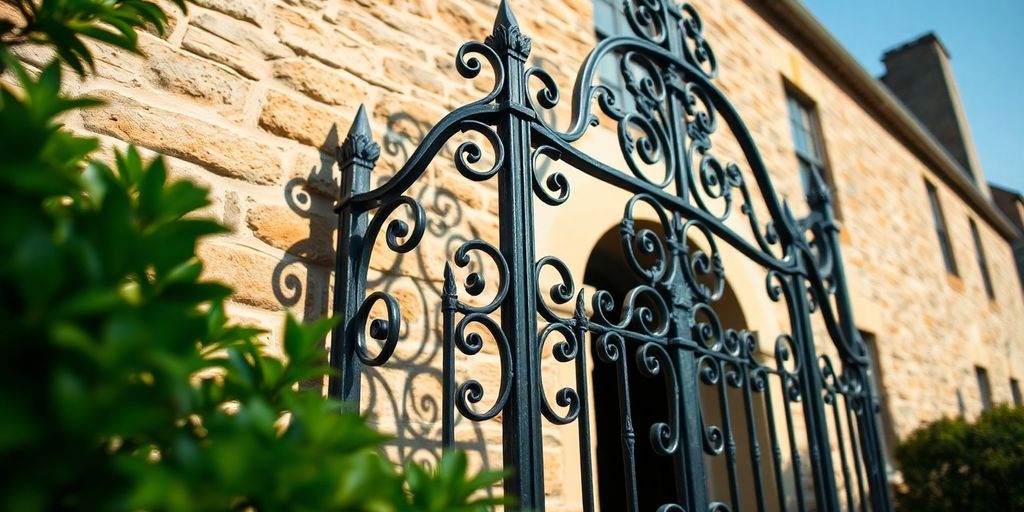
Restoring Original Features in Barn Conversions
Barn conversions present a unique opportunity to blend rustic charm with modern living. One particularly successful project involved the meticulous restoration of a set of original gates found on a Cornish farm. The gates, crafted from locally sourced oak, were painstakingly repaired, with missing sections replaced using timber from the same woodland. The ironwork was cleaned and treated to prevent further corrosion, ensuring the gates not only looked authentic but also functioned perfectly. The result was a stunning entrance that paid homage to the building’s agricultural past.
- Careful timber selection.
- Professional ironwork restoration.
- Sensitive integration with modern security features.
The key to success in these projects lies in understanding the original construction techniques and materials. By respecting the past, we can create something truly special for the future.
Award-Winning Heritage Property Renovations
Several heritage properties in Cornwall have received awards for their sensitive renovations, and gate design often plays a crucial role. One such project involved a grand manor house where the existing gates were beyond repair. Rather than opting for a modern replacement, the owners commissioned a local blacksmith to create a new set of gates based on historical designs. The blacksmith used traditional techniques to forge the ironwork, and the gates were finished with a durable, weather-resistant coating. The result was a stunning entrance that perfectly complemented the property’s architectural style. Consider automatic barriers for added security.
- Historical research to inform design.
- Use of traditional blacksmithing techniques.
- Durable, weather-resistant finishes.
Transforming Historic Spaces for Modern Living
Many historic spaces are being transformed to meet the demands of modern living, and gate design is an important consideration. One project involved a former industrial site that was converted into a residential complex. The original gates were deemed unsuitable for modern use, so a new set of gates was designed to reflect the site’s industrial heritage. The gates featured a simple, geometric design with a weathered steel finish, creating a striking contrast with the surrounding architecture. The design provided a secure and stylish entrance that respected the site’s past while embracing its new purpose.
- Reflecting the site’s history in the design.
- Using materials that complement the architecture.
- Balancing security with aesthetics.
Choosing the Right Professionals for Heritage Gate Designs Cornwall
Finding the right people to work on your heritage gate project in Cornwall is really important. It’s not just about getting a gate; it’s about respecting history and making sure everything is done properly. You need people who understand the rules and can create something beautiful that fits in with the surroundings. It’s a bit like finding the perfect security gates and barriers – you want something that works well and looks great.
The Value of Experienced Architects
An architect with experience in heritage work can be a game-changer. They understand the nuances of listed buildings and conservation areas, and they know how to design something that complements the existing architecture. They can also help you navigate the planning process, which can be tricky. It’s worth checking out architects in Exeter, Devon, who specialise in this kind of work. They can bring a wealth of knowledge and creativity to your project.
Collaborating with Heritage Specialists
Working with heritage specialists is a smart move. These are the people who really understand the history of your property and the surrounding area. They can advise on the best materials and designs to use, ensuring that your new gate is in keeping with the character of the building. They can also help you understand the historical context of your property, which can inform the design process.
Finding Skilled Local Craftsmen
Don’t underestimate the value of local craftsmen. Cornwall has a rich tradition of craftsmanship, and there are many skilled people who can create beautiful, bespoke gates. They often have a deep understanding of traditional techniques and materials, and they can bring a unique touch to your project. Plus, using local craftsmen supports the local economy and helps to preserve traditional skills.
It’s important to remember that working on a listed building is a collaborative effort. You’ll need to work closely with architects, heritage specialists, and craftsmen to ensure that your project is a success. Good communication and a shared understanding of the goals are essential.
Picking the right experts for your heritage gate project in Cornwall is super important. You want folks who really get how to make gates that look great and last a long time, especially for older properties. If you’re ready to find out more about making your gate dreams a reality, pop over to our website!
Wrapping It Up
So, there you have it. Getting new gates for a listed building in Cornwall might seem like a big headache, but it doesn’t have to be. It’s all about finding that sweet spot between keeping the old charm and making things work for today. You’ve got to think about the building’s history, what it looks like, and how it fits into the area. And honestly, getting some good advice from people who know their stuff, like architects or conservation experts, can make a huge difference. They can help you pick out materials and designs that look right and also get through all the paperwork. It’s a bit of a process, sure, but the end result is a gate that not only looks great but also helps keep Cornwall’s amazing heritage safe for years to come. It’s totally worth the effort.
Frequently Asked Questions
What exactly is a listed building in Cornwall?
A listed building is a structure officially recognised as being historically or architecturally important. This means it’s protected by law to keep its special character. There are different grades, with Grade I being the most important.
Can I make changes to a listed building in Cornwall?
Yes, absolutely! You can still make changes, but you need to get special permission called ‘listed building consent’. This makes sure any work you do respects the building’s history.
Who should I talk to before starting work on a listed building?
It’s super important to talk to your local council’s conservation officer early on. They can give you advice and help you understand what’s allowed.
What kind of materials are best for gates on a heritage home?
For gates, it’s best to use materials that match the age and style of your home, like traditional wood or wrought iron. Using local Cornish stone can also be a great idea.
Can modern technology be used with heritage gate designs?
Even though they’re old, you can add modern touches like automatic openers, as long as they don’t change the gate’s look too much. It’s about blending the old with the new.
How do I find the right people to design and install my gate?
Always choose professionals who have experience with listed buildings. Look for architects, builders, and craftspeople who understand heritage properties and have a good track record.